 UOM Converter

Wire and conduit tools
Check a run and choose its wire: voltage drop, ampacity with derating, and AWG and kcmil matched to mm² (IEC 60228). For the raceway, conduit trade sizes and metric designators with their knockout punch sizes, conduit fill, and the box volume your wires and devices need.
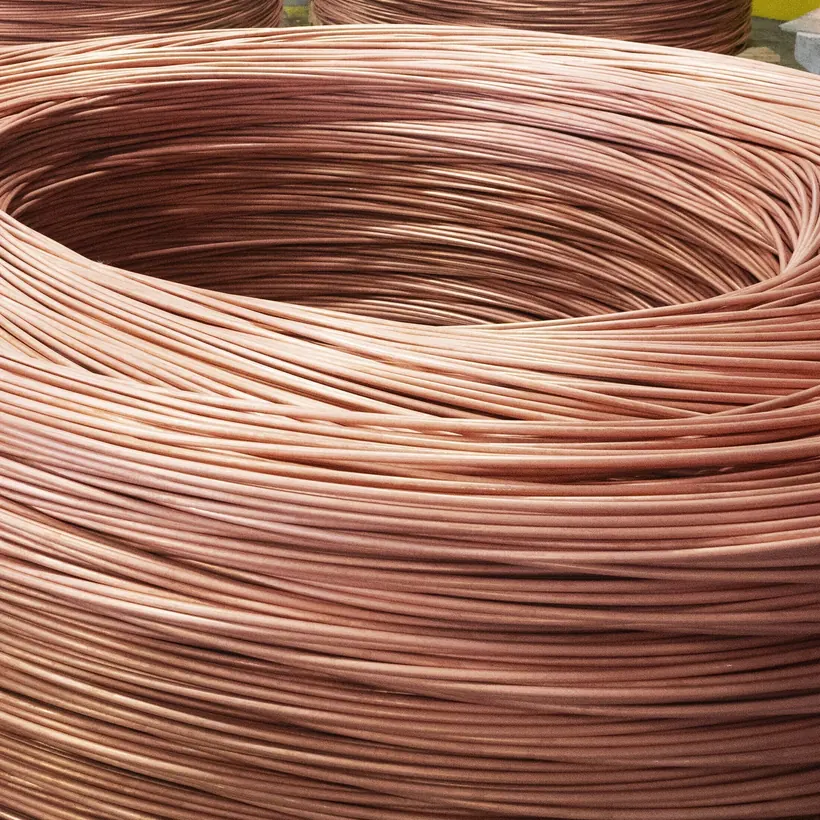 Voltage dropVoltage drop on a run, and the smallest wire that keeps it within your target.
- Conductor ampacityWhat a wire can really carry: the code table, derated for heat and bundling, and held to its terminals.
- AWG / kcmil → mm²North American wire size to metric area and the matching IEC 60228 size.
- mm² → AWG / kcmilMetric wire area to the matching North American building-wire size.
- Conduit & knockoutsInch trade size ↔ metric designator (CEC / NEC), with the typical knockout punch diameter.
- Conduit fillThe smallest EMT for a mix of wires, or how full a size would be.
- Box fillThe box volume your wires and devices need, counted the NEC or the CEC way.
Quick answers
- Voltage drop: 12 AWG copper, 100 ft, 16 A at 120 V single-phase → Voltage drop: 5.37%
- Conductor ampacity: 12 AWG copper, 90 °C insulation → Usable ampacity: 20 A
- AWG / kcmil → mm²: 12 AWG → Cross-section: 3.309 mm²
- mm² → AWG / kcmil: 2.5 mm² → Smallest size at least as big: 12 AWG
- Conduit & knockouts: Trade size 1/2" → Metric designator: 16
- Conduit fill: 3 × 12 AWG + 4 × 10 AWG + 8 × 8 AWG → Smallest EMT: 1-1/4" (35)
- Box fill: Box fill by the NEC → Fits the box: 77.8%
Other topics
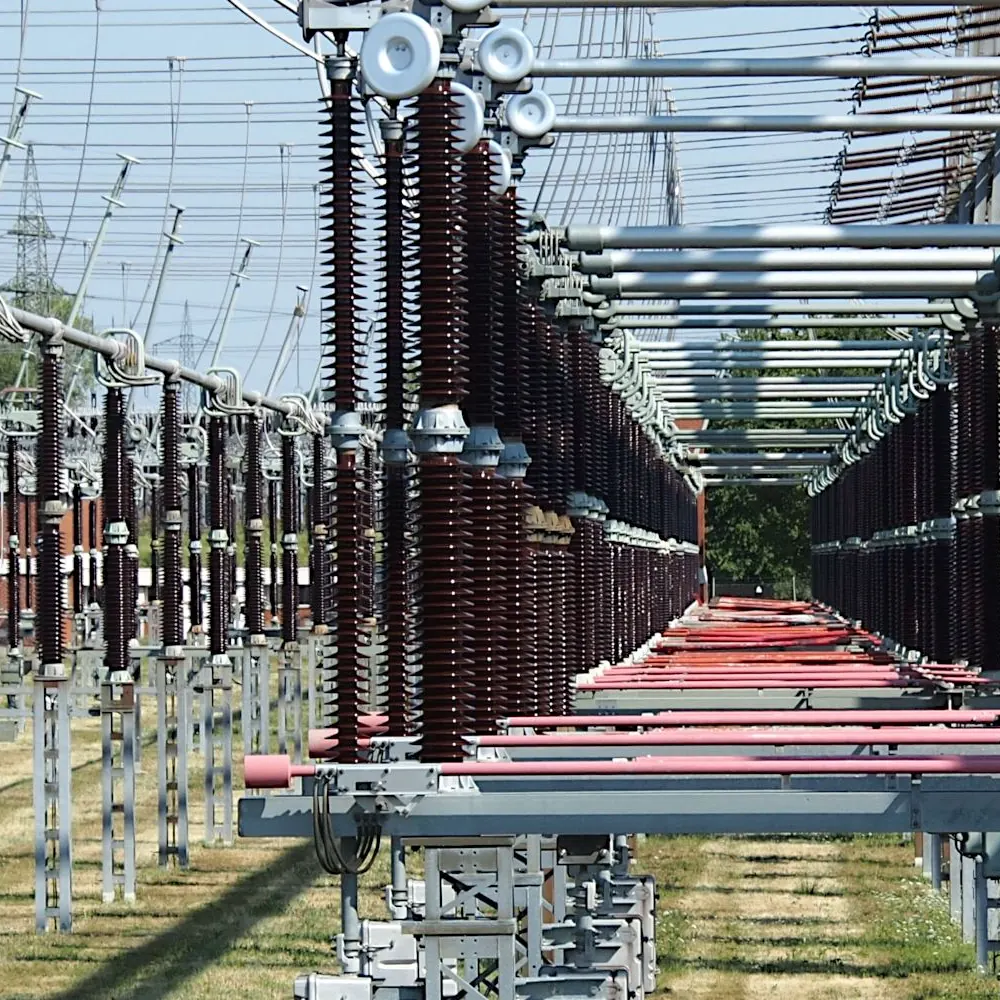 Power and load calculatorsCalculators for supply and load: kVA, kW and amps, line-to-neutral voltage and meter readings, Ohm's law, house service size and energy cost.
 Equipment calculatorsMotor full-load amps, speed and slip, transformer and generator sizing, power factor correction, and fault current at a transformer and down a run.
 Lighting, EV and solar calculatorsHow many fixtures a room needs by the lumen method, the breaker and wire for an EV charger, and a PV string's voltage on the coldest day.
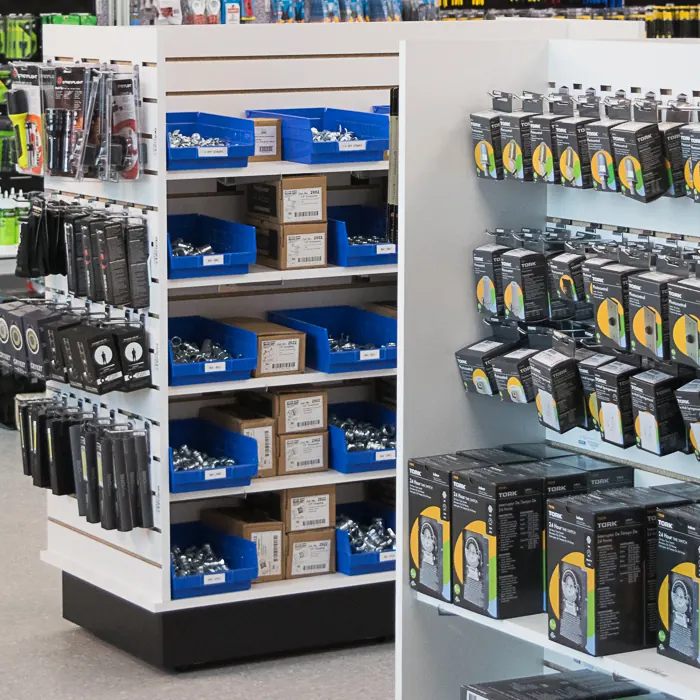 Pricing and ordering calculatorsElectrical pricing and ordering: E/C/M price units, wire price per foot or metre, list × multiplier, margin, metal prices and surcharges, packs and reels.
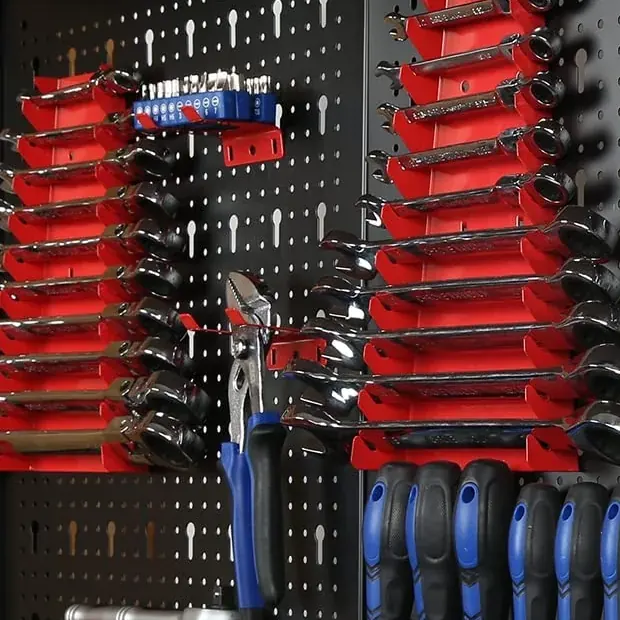 Unit convertersUnit converters for the electrical trade: feet to metres, inch fractions to mm, °C to °F, hp to kW, foot-candles to lux, torque and weight.
 Product data toolsTools for electrical product data: UN/ECE Rec 20 UOM codes, spec values to metric for ETIM, unit prices from price quantities, UOM mix-ups and GTIN-14s.